Goalkeeper Analytics 202526 Advancing PostShot xG Troubleshooting
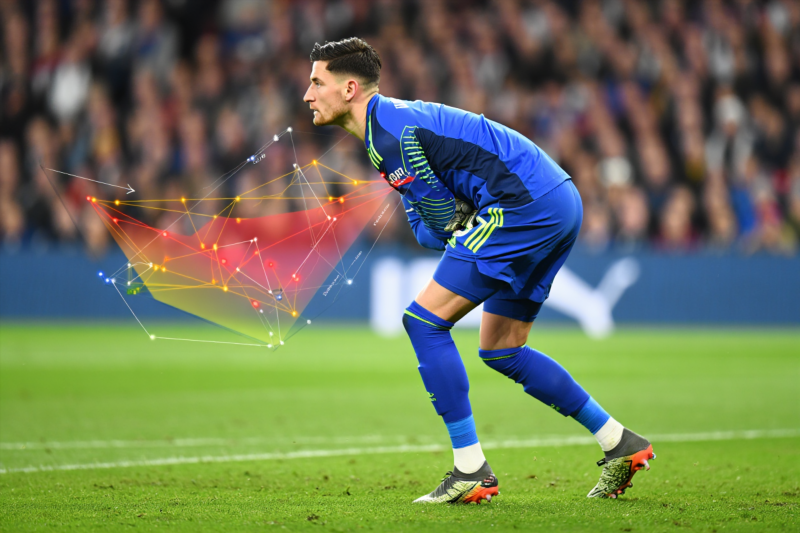
Goalkeeper Analytics 2025/26: Advancing PostShot xG – Troubleshooting for Better Defensive Performance
Unlocking the Power of PostShot xG in Goalkeeper Performance
In the fast-evolving landscape of football analytics, understanding a goalkeeper’s true impact goes beyond basic saves and clean sheets. One of the most groundbreaking tools in recent years is PostShot Expected Goals (xG), which provides a detailed assessment of a shot’s quality and the goalkeeper’s decision-making and reaction. PostShot xG offers a granular view into whether a save was genuinely exceptional or expected, revealing areas for tactical improvement.
At FullTimeIQ, we harness PostShot xG to deliver actionable insights — especially focusing on Sweeper activity and shot distribution — to help teams optimize their defensive strategies for the 2025/26 season.
Why PostShot xG Matters for Goalkeeper Analysis
The Limitations of Traditional Goalkeeping Metrics
Standard metrics like total saves, clean sheets, or save percentage offer a surface-level understanding but often miss nuances such as shot quality and decision-making under pressure. These metrics lack context and do not always distinguish between a well-placed shot and a high-quality scoring opportunity.
The Precision of PostShot xG
PostShot xG evaluates each shot based on:
- Shot location and angle
- Ball trajectory and velocity
- Shot type (e.g., header, volley)
- Defensive pressure
This detailed approach allows analysts and coaches to:
- Isolate truly high-quality chances
- Measure goalkeeper performance relative to shot difficulty
- Identify patterns in shots that are *routinely* successful or problematic
Deep Dive: Sweeper Activity and Shot Distribution Analysis
What Is Goalkeeper Sweeper Activity?
The Sweeper Keeper role involves proactive positioning, clearing through balls before they reach the box, and supporting defended lines. Analyzing Sweeper activity through PostShot xG involves:
- Tracking whether goalkeepers act decisively to intercept or clear
- Assessing their positioning relative to shot origin
- Quantifying their influence on reducing high-quality shots
Shot Distribution Patterns
Understanding where shots originate, especially in high-risk areas, enables targeted defensive training. Distribution analysis reveals:
- Hot zones for shots on target
- Shot types that most frequently threaten the goal
- Situational tendencies leading to high xG shots
Combining Sweeper activity with shot distribution provides a comprehensive picture of a goalkeeper’s command over their penalty area.
Troubleshooting of PostShot xG in Goalkeeper Analytics
Common Issues and How to Address Them
| Issue | Explanation | Solution |
| Overestimation of shot quality | Certain shots may be misclassified due to angle or velocity inaccuracies | Use high-resolution tracking data and manual validation |
| Incomplete shot data | Missing data points can skew xG calculations | Integrate multiple data sources, such as optical tracking and event data |
| Unusual positioning tendencies | Goalkeepers may consistently be out of position during shots | Analyze positional heatmaps and adjust training drills accordingly |
Enhancing Analysis Accuracy
- Utilize video validation to confirm shot origin and goalkeeper response
- Leverage machine learning algorithms that improve with additional data
- Regularly update models to incorporate evolving styles of play
Key Insights and Tactical Recommendations
Leveraging Goalkeeper Data for Defensive Improvements
- Identify shot-prone zones in your opposition’s patterns to anticipate threats
- Train goalkeepers on positioning strategies based on distribution insights
- Use postshot xG to assess whether goalkeepers are making routine saves or genuinely impactful interventions
Impact on Game Outcomes
Implementing PostShot xG analysis helps teams:
- Reduce conceding high-quality shots
- Improve goalkeeper positioning and decision-making
- Craft nuanced training programs targeting specific weaknesses
Frequently Asked Questions
How does PostShot xG differ from traditional save metrics?
PostShot xG considers the quality of the shot, not just whether it was saved, providing context to the outcome. Traditional save stats might count both easy and difficult saves equally, whereas xG differentiates based on shot difficulty.
Can these analytics improve goalkeeper recruiting?
Absolutely. Teams can use PostShot xG profiles to evaluate how goalkeepers perform under pressure, their tendencies in certain situations, and their ability to prevent high-quality chances.
How reliable are these metrics in predicting future performance?
While no metric is perfect, PostShot xG, combined with other data points, offers a predictive view of a goalkeeper’s consistency in handling dangerous shots, supporting more informed tactical decisions.
As football becomes more data-driven, PostShot xG offers a revolutionary lens into goalkeeping performance. By analyzing sweeper activity and shot distribution, teams can troubleshoot weaknesses, optimize defensive tactics, and ultimately improve match outcomes in the 2025/26 season.
Stay ahead of the game — harness the power of goalkeeper analytics today with FullTimeIQ.
Contact us to learn more about integrating cutting-edge data insights into your football strategy.
FullTimeIQ — Delivering Next-Generation Football Intelligence for Champions.


