How to Analyze Sonar Directions for Tactical Safety
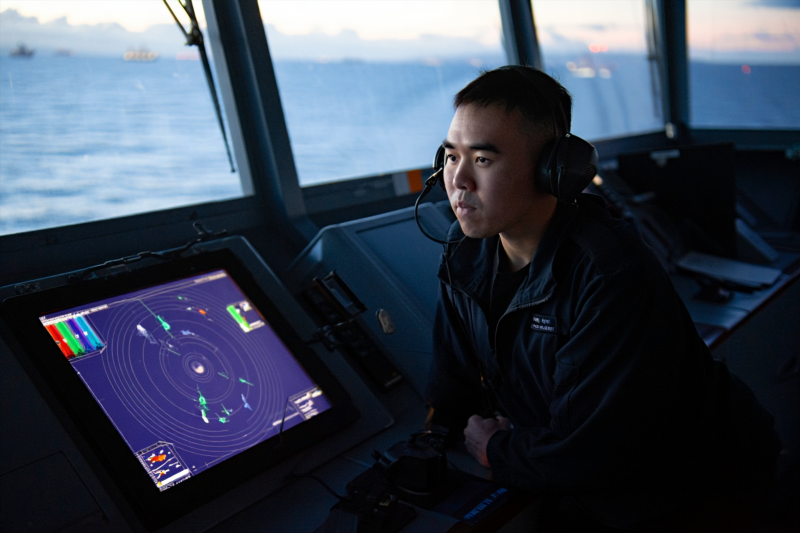
In maritime operations and tactical decision-making, understanding sonar signals is essential for maintaining safety and gaining strategic advantages. Accurate interpretation of sonar directions not only helps in identifying potential threats but also in evaluating tactical responsibilities and enhancing overall maritime safety strategies. This comprehensive guide delves into the technical nuances of reading sonar signals effectively, enabling security professionals, vessel crews, and naval strategists to make informed, timely decisions.
The Importance of Sonar Direction Analysis in Maritime Safety
Sonar technology serves as the “eyes and ears” beneath the water, offering real-time data about submerged objects, enemy submarines, or hazards. Proper interpretation of sonar directions allows operators to:
- Assess the positions and movements of potential threats
- Determine the accuracy of object localization
- Make tactical decisions with confidence
- Reduce false alarms and improve response efficiency
By mastering these skills, maritime teams can significantly mitigate risks and strengthen their defensive or operational strategies.
Understanding Sonar Signals: Fundamentals and Components
Before diving into interpretation techniques, it’s crucial to understand the basic components of sonar signals:
| Component | Function/Description |
| Ping/Emission | The sound wave sent out to detect objects or terrain |
| Return Signal | The echo reflected back from objects or underwater terrain |
| Bearing | Direction of the return signal relative to the sonar source |
| Range | Distance from the sonar source to the detected object |
| Amplitude | Signal strength indicating the size or proximity of the target |
Understanding these elements enhances your ability to interpret sonar data correctly, setting the foundation for tactical precision.
How to Read Sonar Directions: Step-by-Step Approach
1. Determine the Bearing and Range
- Use the bearing indicators: These show the direction from your vessel or equipment to the detected object.
- Evaluate the range: Measured in nautical miles or meters, the range indicates how far the target is.
- Combine bearing and range: Enables precise localization of underwater objects.
2. Analyze Signal Intensity and Pattern
- Signal strength: Stronger signals often indicate larger or closer objects.
- Echo pattern: Detecting consistent or irregular echoes can reveal whether the object is static or moving.
3. Interpret the Signal Direction Changes
- Consistent bearing over time: Indicates a stationary object or threat.
- Changing bearing or range: Suggests movement, which may reflect enemy maneuvering or environmental factors.
4. Assess Risks Based on Sonar Direction Data
- Threat localization: Focus on objects within critical zones.
- Assess movement vectors: Predict potential threat trajectories.
- Tactical responsibilities: Determine your role—whether to evade, investigate, or engage—based on sonar data.
Key Techniques for Accurate Sonar Signal Interpretation
- Cross-Referencing Data: Use multiple sonar sources or frequencies for confirmation.
- Contextual Analysis: Incorporate environmental factors such as ocean currents, seabed terrain, or weather conditions.
- Pattern Recognition: Develop experience-based intuition to differentiate between benign objects and threats.
- Data Integration: Combine sonar data with radar, visual, or other sensor inputs for a comprehensive situational picture.
Enhancing Maritime Safety Through Sonar Reading Skills
Effective sonar interpretation empowers maritime personnel to:
- Detect threats early: Improving response time and tactical agility.
- Prevent collisions and accidents: By understanding the underwater environment.
- Optimize resource allocation: Focusing efforts on genuine threats rather than false alarms.
- Develop proactive strategies: Based on accurate threat assessments and tactical responsibilities.
Frequently Asked Questions
How can I improve my sonar reading skills?
- Practice regularly: Engage with simulated scenarios or specialized training programs.
- Study sonar signal patterns: Learn common signatures of threats versus benign objects.
- Leverage technology: Use advanced sonar systems with enhanced resolution and data analytics.
- Seek mentorship: Collaborate with seasoned professionals to refine interpretative skills.
What are common pitfalls in reading sonar directions?
- Misinterpreting bearing data: Leading to inaccurate threat localization.
- Ignoring environmental factors: Such as sonar noise or seabed interference.
- Overlooking movement patterns: Missing dynamic threats that are shifting position.
- Relying solely on one sensor: Failing to cross-verify data may result in errors.
How does understanding sonar directions contribute to overall tactical safety?
By accurately interpreting sonar directions, maritime operators can predict threat behavior, avoid accidents, and execute strategic maneuvers confidently. It enhances situational awareness, reduces uncertainty, and supports swift, effective decision-making.
Proficiency in analyzing sonar directions transforms raw signals into actionable intelligence. Whether deterring potential threats, ensuring vessel safety, or supporting strategic maritime operations, this skill is critical to modern maritime security. Prioritize training, adopt comprehensive interpretation techniques, and leverage integrated sensor data to elevate your tactical safety and operational effectiveness.
Take the next step today: Dive into specialized sonar interpretation courses or simulation tools to sharpen your skills. The water is unpredictable—your mastery of sonar signals can be the difference between safety and catastrophe.
*Enhance your maritime security and tactical decision-making by mastering sonar signal interpretation — because every click and bearing could save lives.*


