How Young Players Grow into Champions League Winners
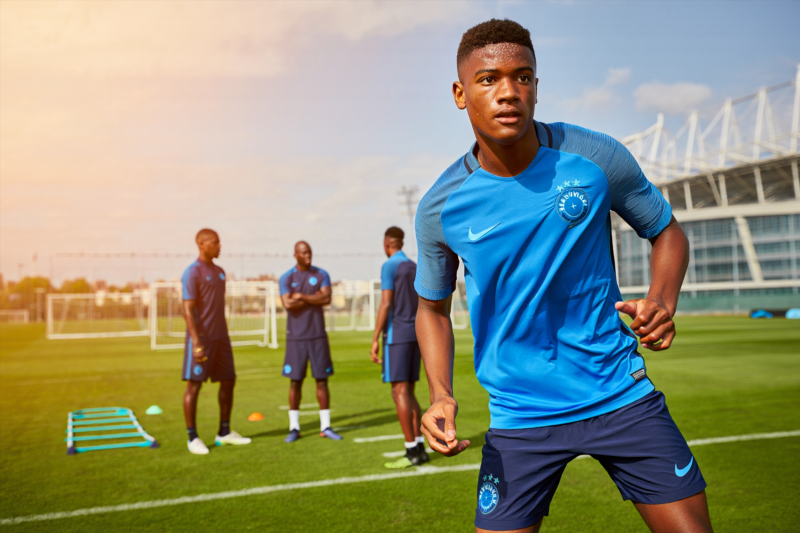
Every football superstar’s story begins in the youth academy. It’s where raw talent is honed, foundational skills are built, and dreams of Champions League glory are born. At FullTimeIQ, we analyze not just the final outcomes of matches, but the critical developmental stages that shape the next generation of football champions. Understanding how young players evolve from academy prospects to seasoned Champions League winners involves examining their growth in skills, tactical awareness, mental resilience, and leadership.
The Developmental Pathway: From Academy to the Champions League
Transitioning from youth football to Europe’s top club competitions is a complex process that requires continuous improvement across multiple dimensions. Here’s an overview of the key phases and factors influencing this evolution:
1. Foundation Building in Youth Academies
- Skill Acquisition: Technical fundamentals like passing, dribbling, shooting, and defensive positioning.
- Tactical Understanding: Learning basic formations, team roles, and game principles.
- Mental Toughness: Developing resilience, motivation, and a growth mindset.
2. Progression Through Youth and Reserve Teams
- Increased Competition: Facing peers with similar or higher potential.
- Exposure to Different Styles: Playing in varied tactical setups, enhancing adaptability.
- Gaining Experience: Participating in youth tournaments, reserve matches, and international youth competitions.
3. Breaking into Professional First Teams
- Gradual Integration: Getting opportunities as substitutes or in domestic cups.
- Mentorship: Working alongside experienced players, learning professional habits.
- Physical and Mental Conditioning: Upgrading strength and stamina, and mental discipline.
4. Earning a Regular Starting Role
- Consistent Performance: Demonstrating reliability and skill in league matches.
- Tactical Versatility: Adapting to different game plans and formations.
- Leadership Development: Emerging as team leaders or key influencers.
5. Standing Out in Top-Tier Competitions
- Exposure to High-Pressure Situations: Handling Champions League environments.
- Refinement of Special Skills: Mastering roles specific to elite levels, such as playmaking or defensive solidity.
- Continual Growth: Embracing advanced training, sports science, and tactical innovation.
How Player Roles Evolve in the Transition
As players mature, their roles within the team evolve significantly. Young talents often start as *attacking midfielders*, *wingers*, or *defenders*, but their responsibilities grow with experience. Here’s an example of role progression:
| Player Position | Youth Level Role | Senior Level Role in Champions League | Key Developments Needed |
| Central Midfielder | Creative Playmaker | Deep-lying Playmaker / Box-to-Box Midfielder | Tactical discipline, defensive awareness, passing under pressure |
| Forward | Goal scorer | Complete Forward / False Nine | Movement, link-up play, decision-making in tight spaces |
| Defender | Man-marker | Ball-playing Center-back / Sweeper | Positional sense, passing range, aerial duels |
| Winger | Speedy Dribbler | Inside Forward / Playmaker from wide | Tactical awareness, crossing accuracy, contribution to build-up play |
This role evolution showcases how players refine their skill sets and tactical understanding to meet the demands of elite competitions.
The Critical Role of Match Analysis and Player Insights
In the context of FullTimeIQ’s advanced football intelligence platform, analyzing player development involves more than surface stats. It includes:
- Performance Metrics: Tracking key indicators like pass completion, duel success, distance covered, and involvement in building attacks.
- Tactical Breakdowns: Understanding decision-making patterns and positioning tendencies.
- Transfer and Potential Evaluation: Utilizing player insights to foresee future growth and fit within top-tier teams.
- Player Insights: Identifying traits like leadership, consistency, and mental resilience that differentiate future Champions League winners.
Why It Matters: The Edge for Clubs and Scouts
Both clubs and scouts are increasingly leveraging data-driven insights to identify promising talents early. Recognizing which academy players show the potential to succeed at the highest levels enables:
- Targeted training programs tailored to individual growth.
- Early integration into senior squads.
- Strategic transfers, reducing risk and maximizing value.
- Long-term success in competitions like the Champions League.
FAQs on Player Growth and Development
Q: How long does it typically take for a player to transition from academy to Champions League level? A: The timeline varies widely. Some players progress within 3-5 years, while others may need 6-8 years of steady development before breaking into top-tier European competitions.
Q: What skills are most critical for a young player aspiring to Champions League success? A: Tactical intelligence, technical proficiency, mental resilience, physical conditioning, and adaptability across different playing styles.
Q: How can clubs accelerate player development? A: Through personalized training, data analysis (like FullTimeIQ insights), quality match exposure, and mentorship programs.
The transformation from academy starlet to Champions League winner is a meticulous journey that combines skilled training, strategic role evolution, mental fortitude, and game intelligence. At FullTimeIQ, we are committed to decoding this process with cutting-edge analysis and insights, helping clubs, scouts, and players unlock their full potential.
Ready to explore how player data can elevate your scouting or development strategy? *Contact us today to learn more about our advanced football intelligence solutions.*


