Player Roles Progress from Academy to Champions League Triumph
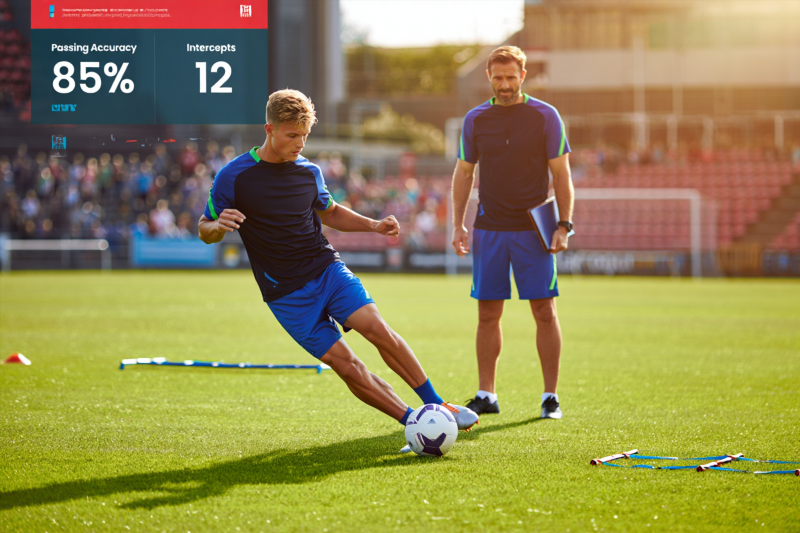
Player Roles Progress from Academy to Champions League Triumph
Unlocking the Journey: From Youth Academies to European Glory
The pathway from a young academy player to a Champions League winner is a compelling story of talent, perseverance, and strategic development. At FullTimeIQ, we delve into how player roles evolve throughout this journey, highlighting the critical stages, skills, and mindset shifts needed for success at the highest levels of football. For aspiring players, coaches, and fans alike, understanding this progression provides invaluable insights into what it truly takes to reach elite performance.
The Foundation: Building a Versatile and Skillful Player in the Academy
Early Specialization with a Focus on Fundamentals
In the youth academy stage, players are introduced to the core principles of football—technical skills, tactical understanding, and physical conditioning. Here, the role of the player is largely development-focused, emphasizing:
- Ball control and dribbling
- Passing accuracy
- Tactical awareness
- Physical fitness
Key Development Tips:
- Encourage diverse playing styles to foster adaptability
- Prioritize technical drills that simulate match scenarios
- Use match analysis to identify strengths and areas for improvement
Strategic Insight: Early versatility ensures that players can adapt to different roles as they mature, setting a foundation for future tactical flexibility.
Transitioning: From Promising Academy Player to Professional Prospect
Adapting to Increased Tactical Demands
As players advance, their roles become more defined within tactical systems. Coaches begin to assign specific responsibilities based on their attributes, such as:
- Playmaking
- Defensive solidity
- Goal-scoring opportunities
Player Role Evolution:
- Wide midfielders transitioning into inverted wingers
- Central midfielders developing box-to-box capabilities
- Forwards refining finishing and movement
Performance Metrics to Monitor:
- Passing accuracy and key passes
- Defensive recoveries and interceptions
- Shots on target and conversion rate
Climbing the Ranks: From League Refinement to International Stardom
Refining Specializations for Champions League Success
Reaching the top tiers involves honing specialized roles that influence match outcomes:
- Playmakers orchestrating attacks
- Defenders commanding the backline
- Goalkeepers leading with shot-stopping and command
Expert Strategy Tips:
- Emphasize game intelligence—reading opponents and anticipating play
- Develop leadership qualities to inspire teams
- Continually analyze match data for tactical adjustments
From Rising Star to European Champion: The Final Evolution
Mastering Leadership and High-Level Performance
Elite players evolve beyond technical prowess—they embody tactical intelligence, resilience, and leadership. Their roles include:
- Setting tactical tempo
- Acting as team captains
- Exhibiting consistency under pressure
Key Development Tips for Aspiring Champions:
- Incorporate advanced match analysis and tactical breakdowns
- Focus on mental toughness and game awareness
- Engage in personalized coaching for position-specific refinement
Why Player Role Evolution Matters: Insights for Success
Understanding how player roles develop is essential for anyone aiming to reach the pinnacle of football. It highlights:
- The importance of continuous learning
- The need to adapt roles based on team strategies
- The value of leveraging performance metrics to guide growth
Top Takeaways:
| Stage | Key Focus | Development Tips |
| Academy | Technical skills, versatility | Diversify training, use match analysis for feedback |
| Transition | Tactical understanding, role specialization | Focus on role-specific drills, monitor performance metrics |
| Professional | Tactical mastery, leadership, high-level skills | Study game intelligence, develop resilience, leadership skills |
Addressing Common Questions
How do young players effectively adapt their roles at different levels? Successful adaptation relies on continual learning, open-mindedness, and targeted coaching. Analyzing match data and receiving personalized feedback enables players to evolve their roles suited for higher competition levels.
What are the key skills needed to succeed in Champions League football? Elite players excel in tactical intelligence, technical expertise, physical fitness, mental resilience, and leadership. Developing these through structured training and match experience is crucial.
How can aspiring players use analytics to accelerate their development? Leveraging performance metrics—such as passing accuracy, distance covered, and expected goals—guides targeted training and role adjustments, aligning skills with top-tier expectations.
Advancing from academy prospect to European champion requires strategic development of player roles, continuous skill refinement, and a mindset geared toward excellence. By understanding the evolution of player roles at each stage, aspiring footballers and coaches can craft targeted pathways to maximize talent and achieve success at the highest levels. Stay connected with FullTimeIQ for expert match analysis, tactical breakdowns, and insights that fuel this journey toward football greatness.


