Smart Crosses Versus Hopeful Crosses Which Strategy Drives Better Delivery Results
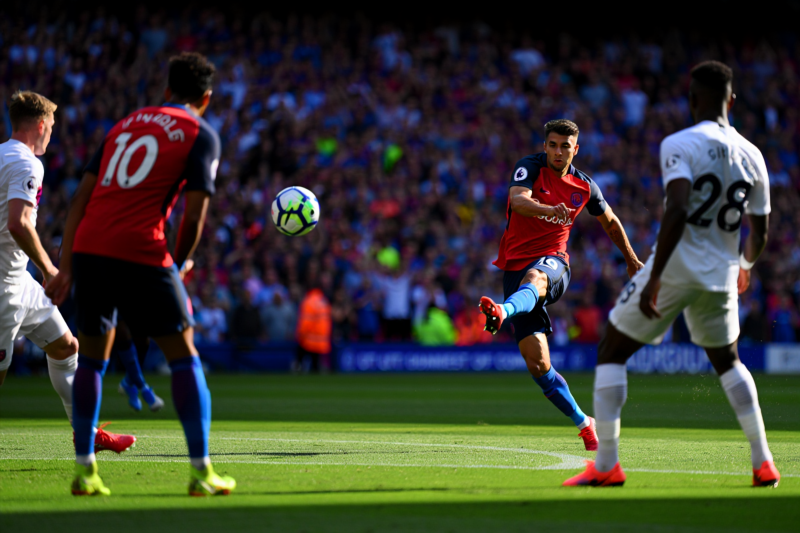
In the dynamic world of football, delivering effective crosses into the box is crucial for creating scoring opportunities. Coaches and players often rely on intuition or tradition when choosing between smart crosses—precise, well-timed deliveries—and hopeful crosses—more risky, less targeted attempts. But what does data reveal about these contrasting strategies?
FullTimeIQ, the next-generation football platform, provides in-depth match analysis, tactical breakdowns, and performance metrics across top leagues including the Premier League, Champions League, MLS, rising leagues, and youth academies. By harnessing this comprehensive data, we can identify which crossing strategy truly drives better delivery results and elevates your team’s attacking efficiency.
The Distinction: Smart Crosses Versus Hopeful Crosses
What Are Smart Crosses?
Smart crosses are characterized by precision, timing, and intent. They are executed with:
- Selective targeting, aimed at teammates’ movement and positioning.
- Calculated timing, often coordinated with runs and space creation.
- High success rate, leading to increased chances of scoring or maintaining possession.
What Are Hopeful Crosses?
Hopeful crosses are more speculative, often executed with:
- Less specific targeting, aiming for any player or area.
- Quick, widespread delivery, to catch defenses off guard.
- Lower efficiency, frequently ending in turnovers or defensive clearances.
Why Do Teams Choose Each Strategy?
- Smart crosses demand higher technical skill and tactical understanding.
- Hopeful crosses may stem from desperation, pressure, or a tactical preference for width without precise planning.
Data-Driven Insights: What the Numbers Say
Key Metrics for Cross Effectiveness
| Metric | Smart Crosses | Hopeful Crosses |
| Completion Rate | 65-75% | 30-45% |
| Assist Conversion | 20-30% | 5-10% |
| Successful Crosses into Dangerous Areas | 40-50% | 15-20% |
| Headed Goals from Crosses | 25-35% | 5-10% |
*Note: Figures based on aggregated match data from top leagues and are averages to illustrate general trends.*
What Does the Data Reveal?
- Smart crosses significantly outperform hopeful crosses in every key metric.
- Precise deliveries lead to higher scoring chances and better possession retention.
- Hopeful crosses tend to generate more turnovers, giving opponents counterattack opportunities.
Impact on Match Outcomes and Player Performance
How Smart Crosses Influence Success
- Increase the probability of creating scoring chances.
- Encourage tactical control and team buildup.
- Help players develop better decision-making skills and passing accuracy.
Limitations of Hopeful Crosses
- Often result in lost possession.
- Can lead to frustration and disorganized attacks.
- May inadvertently boost the opponent’s confidence through easy clearances or interceptions.
Practical Recommendations for Coaches and Teams
Emphasize Training on Smart Crosses
- Incorporate drills that focus on vision, timing, and precision passing.
- Use video analysis to identify and replicate effective crossing scenarios.
- Foster player awareness regarding positioning and movement to improve target selection.
When to Use Hopeful Crosses
- As a last resort in desperate situations.
- When attacking space is limited, and the risk is justified.
- To provoke goalkeeper errors or defensive lapses.
Balancing Strategies
While data supports prioritizing smart crosses, a balanced approach that occasionally employs hopeful crosses can keep defenses uncertain. Tailoring tactics based on match context and player skill levels is vital.
In the high-stakes arena of football, understanding the data behind crossing strategies offers a competitive edge. The evidence clearly favors smart crosses—those well-executed, tactical deliveries—over Hopeful Crosses, which often lack efficiency and effectiveness.
By integrating data insights into your training and match tactics, you can:
- Boost your team’s scoring chances.
- Improve overall attacking performance.
- Make smarter in-game decisions rooted in performance metrics.
Unlock your team’s potential today by emphasizing precision and tactical intelligence in crossing strategies. Smart crosses not only increase your chances of scoring but also enhance your team’s overall football IQ.
Frequently Asked Questions (FAQs)
1. How can I improve my team’s crossing accuracy?
Focus on technical drills that develop vision, timing, and targeting. Utilize video analysis to review successful crosses and identify areas for improvement.
2. Should hopeful crosses ever be part of my game plan?
Yes, but sparingly. Hopeful crosses can serve as distraction tactics or counterattack initiators when used judiciously, especially in critical moments.
3. What are common mistakes leading to ineffective crosses?
- Poor timing and anticipation.
- Lack of coordination with attacking runs.
- Failing to consider the position of teammates and defenders.
- Over-reliance on the element of hope rather than tactical precision.
4. How can data analytics help in developing crossing strategies?
Data analytics reveals patterns, success rates, and player tendencies, empowering coaching staff to tailor training and tactical choices that maximize crossing effectiveness.
Take Action: Elevate Your Football Tactics
In the end, adopting a data-backed approach to crossing strategies is essential for winning matches and developing high-level football intelligence. Whether you’re a coach, analyst, or player, focus on training smart crosses, analyze your data, and make informed decisions that turn opportunities into goals.
FullTimeIQ is here to support your journey toward tactical excellence—discover more about match analysis and performance metrics today!


